
In 2026, social media is a global culture, an economic force, and a daily habit for billions of people. From how many people use social media to how long they spend online and how brands capitalize on engagement, the landscape continues to evolve. In order to develop a strong and cohesive social media strategy, you need to know the social media stats data you’re dealing with! We’re going to give you a high-level overview of some of the biggest statistics you need to know as you craft your social media strategy.
1. Over Two-Thirds of the World Now Uses Social Media
Perhaps the most staggering of social media statistics from 2026 reflect how deeply these platforms have penetrated global life. According to the Digital 2026 Report, there are 5.66 billion “social media user identities,” or about 68.7% of the world’s population actively using social platforms as of late 2025 into 2026, meaning more than two out of every three people on Earth are on social media.
To put this in perspective, the world’s total population is just over 8 billion, and social media users now outnumber non-users roughly 2 to 1. That kind of reach would have been unfathomable just a decade ago. For brands, this means nearly every target audience can be found online. For communities, it means our digital and real worlds are more intertwined than ever.
2. Nearly 139 Million Instagram and Facebook Reels Are Consumed Every Minute
Content consumption has reached staggering levels, which carries massive implications for marketers. Short-form video is no longer just engaging, but also dominates user attention. Reels are now one of the most effective formats for reach, discovery, and ad performance across Meta platforms.
For marketing teams, this means that video-first strategies are no longer optional. Brands that otherwise fail to prioritize Reels risk algorithmic invisibility! However, publishing video-centric content consistently isn’t powerful enough to gain a strong foothold in a particular industry’s market. Businesses that are present in the digital world are competing for the first spare seconds of a user’s next scroll, so creatives must be optimized for fast attention capture that directly and accurately targets their audience’s pain points.
 3. TikTok Shop Converts Nearly Half of TikTok Users Into Buyers
 3. TikTok Shop Converts Nearly Half of TikTok Users Into Buyers
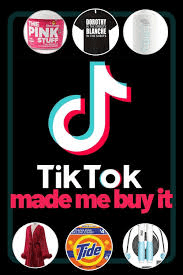
Social commerce continues to accelerate, and one of the most powerful social media statistics 2026 reveals just how effective in-app shopping has become. According to Hootsuite, the rising popularity of TikTok Shop is converting nearly 50% of the app’s users into buyers.
This statistic signals a major shift in buyer behavior. TikTok is no longer just a discovery platform, but a transaction engine. Consumers are increasingly comfortable purchasing products directly inside the apps where they spend time scrolling.
This shift highlights a profound transformation: social platforms are no longer just about connection or entertainment; they are key drivers of shopping behavior and product discovery. TikTok Shop, Instagram Checkout, and other in-app commerce tools have blurred the lines between browsing, engagement, and shopping.
If your business isn’t investing in social commerce, even just with native shopping tools, you’re missing out on a massive segment of your consumers’ behaviors.
4. Global Social Media Ad Spend Is Expected to Exceed $277 Billion in 2026
With billions of users and increasing time spent online, social media has become a dominant advertising channel. A new reality is brought to fruition: attention is bought, not borrowed. Brands that underinvest in paid social risk losing visibility to competitors who are aggressively capturing audience mindshare through advanced targeting and creative optimization.
From advanced targeting and analytics to tailored video campaigns and interactive formats, companies of all sizes are reallocating budgets to capture user attention where it’s most abundant. Social media ads now outpace even search engines and traditional TV for brand visibility, especially amongst younger demographics.
Whether you’re a small business or a global brand, incorporating social media ad spend into your marketing plan is now essential. Foregoing this channel of business puts you at risk of ceding ground to competitors who are meeting consumers where they already spend most of their time.
5. 88% of Brands Say Community Engagement on Social Media Directly Impacts Customer Loyalty
As social platforms evolve into long-term relationship channels, community management has become a critical marketing function. Hootsuite’s research highlights that brands are increasingly seeing measurable value from responding to comments, participating in conversations, and fostering two-way engagement rather than broadcasting one-way messaging.
For marketers, this insight reframes social media from a content calendar exercise into an ongoing brand experience. Audiences now expect brands to be present, responsive, and human, especially when questions, feedback, or concerns arise publicly. When handled well, these interactions build trust and emotional connection that paid campaigns alone can’t replicate.
Engagement is no longer a bonus to staying with a reliable business partner. It is a loyalty driver, a reputation safeguard, and a quality that distinguishes your brand from the competition. Staying dedicated to a social media strategy founded upon consistent engagement reaps long-term growth for your business.
Why The AD Leaf?
With these fresh, month-old statistics revealing explosive growth in video consumption, ad spend, and social commerce, brands cannot just rely on trends to maintain business effectively; they need execution backed by strategy. That’s where The AD Leaf comes in.
Navigating a landscape where platforms function as digital malls requires precision, not guesswork. The AD Leaf helps businesses turn social media statistics from 2026 into actionable marketing strategies that prioritize ROI, audience behavior, and scalable growth. From performance-driven ad campaigns to content strategies optimized for short-form video and social commerce, our team bridges the gap between data and results.
In a world where social media is shaping how people discover, engage, and buy, the AD Leaf empowers brands to stay visible, competitive, and conversion-focused. Let us take the weight off your back and craft a campaign with your goals in mind.
 YouTube marketing has evolved from a secondary branding tactic into a primary driver of digital growth. As video consumption continues to dominate online behavior, businesses that invest in a strategic YouTube marketing plan position themselves for stronger visibility, engagement, and long-term ROI.


 Brand awareness refers to the extent to which a target audience can recognize and recall a brand. It’s not just about having a memorable logo or a catchy tagline; it’s about creating a lasting impression in the minds of consumers. When individuals think of a particular product or service, a strong brand awareness campaign ensures that your brand is the first to come to mind.
 Paid Advertising: Utilize social media advertising to target specific demographics and expand your brand’s reach.
 The final step in getting ready for social media is posting and scheduling content for your platforms to share. Content on social platforms is going to look slightly different from one another; for example, Facebook captions will contain links and more information than a regular post, whereas Instagram cannot have links in their captions, so the information is in a graphic or linked in the bio. Twitter captions should be short and sweet due to their character limitations, and Pinterest should have graphics with more information in them.


