The Importance of Transparent Client Relationships

Iceberg Analogy

We, as marketing professionals, are responsible for having the experience, knowledge, and tools to manage our client’s marketing platforms. While marketing professionals manage a company’s growth, outreach, and strategy, the client maintains the role of ultimate decision-maker. We can form a fantastic team because we balance each other out! It is as simple as that. Clients have organic information about their business that marketing professionals need to apply their knowledge to make their brand stand out online. This is why working with a transparent marketing agency is so important. Is the client-marketing agency relationship that simple?

How to Create a Balanced Client – TAL Relationship?

Open communication. We, as marketing professionals, can -and will- develop channels of communication between the clients and our team of specialists dedicated to making their business our own. From basic concepts of social media to marketing strategies, we would take the time to explain what we will do and how we will do it.

Based on my experience as a social media coordinator, I recommend taking 10 to 30 minutes to answer questions or concerns during meetings with the client. This process helps build trust and healthy business relationships that will allow us to move forward and generate a great online brand.

I’ve had a few clients that didn’t know much about social media. They wanted to be on Facebook and Instagram because they knew it was necessary and everyone was doing it, but they did not know why exactly. I took the time to explain to them that by having an online presence, their business can more effectively reach their customers and clients. They were happy to learn and ultimately understand the technicalities of digital marketing and have become one of my best clients! They give me all the resources I need to know more about their business, and they see the results! AKA: new customers are purchasing their products or services.

Iceberg Analogy

You can see a part of an iceberg, but what about under the water? Just look at the image in this blog entry and notice where the likes, fans, comments, and followers are in the top part of the iceberg. But what is underwater? SEO, content creation, graphic design, sharing, engaging, starting conversations, researching reputable sources, branding, fonts, colors scheme, targeting, ads, boosting, looking for the audience online, editing, use of hashtags, developing strategies, keeping up with platform updates, IOS changes, new trends, and tools, etc. Yes, the iceberg goes deep! 

Having clients does not mean posting some cool graphics and exciting content after signing a contract. Rather, having a client means dedicating time to building that relationship, like a partnership. That’sThat’s our approach at the AD Leaf. We cultivate our clients ‘ businesses as our own to help them succeed and grow. 

Our transparent marketing agency wants to form a relationship with you! If you’d like to get started on your marketing journey, call us at (321) 255-0900, email us at info@theadleaf.com, or complete our contact form


The Importance of Brand Awareness Ads

For marketers, the choice between brand awareness and lead generation can feel like a boxing match. ‘Awareness’ fights to increase the size of your audience, while ‘lead gen’ limits your audience to a group of people who are willing to trade their contact information for your services.

There’s a simple formula for choosing brand awareness or lead generation. To determine the best strategy for your social media campaign, consider the benefits and drawbacks of each. When used effectively, the two methods can complement each other, and there are times when you might need to focus on one more than the other.

For instance, if you have a brand that has just started its social media strategy and has little to no posted content and little to no followers on its page, it may be wise to start with a brand awareness or a reach ad. This will entice potential customers with awareness of your brand without asking them for their personal information or coming across as too salesy. This type of ad is simply meant to spread awareness without asking for anything from the viewer. 

Look! We’re here. We exist. Did you know that?

Brand awareness creates visibility for your brand and what you offer.

There’s a good reason that brand awareness is the first pick for most marketers. Brands need to focus on attracting attention before lead generation ads can succeed. If no one knows about your brand and what they offer, they are much less likely to fill out a form with personal information such as their phone number or zip code. That said, it’s not always the need for personal information that turns potential customers away, but the time it takes to fill out a simple form, especially if they know nothing about you or have never heard of you before. 

Brand Comprehension

So let’s say you’ve been running a brand awareness ad for a few months. Your ad recall lift is high. Your page has a decent amount of likes and follows in this short amount of time. People know you, and it’s starting to show. You have a base now. You now have brand comprehension because you’ve been running brand awareness ads for a few months. People see your ad and know who you are and what services you offer. Now is the time to transition to a lead generation ad.

This same audience has been seeing your brand awareness ads on their feed for a few months now, and all of a sudden, they desperately need the service that your brand offers. What are the chances they fill out your new lead form? Pretty high! BAM! Quality lead.

Brand awareness is what makes lead generation ads work. With brand awareness comes brand comprehension and knowing what your brand offers. 

Starting Cold

Alright. Now let’s go in the other direction, where you don’t have much of an audience or following on social, but you want to get going and start getting leads as quickly as possible. You know you don’t have much of a following, yet you decide to run lead generation ads instead of brand awareness ads, hoping to get leads immediately.

You do this for months. Your page slowly grows, but your lead form is nearly vacant. You’ve had three leads in 60 days, and at this point, you’re wondering where you went wrong.

The problem is quite simple. Nobody knows your brand or who you are. Your brand is not trusted, and your audience is freezing cold.

The Process

It may be difficult to see a brand awareness ad as an investment, but that’s really what it is. You need to put money in, knowing that you probably aren’t getting an immediate return. Your brand needs a following. It needs to be easily recognizable and quickly comprehended, and brand awareness ads are the way to do that.

Once your audience knows you, they know they can trust you.

About Us

The entire process of putting together, running, and adjusting a quality Facebook ad is in-depth and time-consuming. Allow the experts at The AD Leaf to assist you in your lead procurement journey! Reach out via phone at (321) 255-0900, or complete our contact form.

5 Stats You Need to Know About Social Media in 2021

5 Stats You Need to Know About Social Media in 2021

We’re a few months into this new year and if you’ve been paying attention to social media, you know that the most important thing in managing a campaign is strategy. In order to develop a strong and cohesive social media strategy, you need to know the social media stats data you’re dealing with! We’re going to give you a high-level overview of some of the biggest statistics you need to know as you craft your social media strategy.

1. Facebook Has 2.7 Billion Monthly Active Users

This is an increase of 12% from 2019. You might be thinking to yourself that your audience isn’t on Facebook but the reality is, no other social media platforms offer that kind of reach! Even if your audience is using other social media platforms, chances are they’re using Facebook too and you want to ensure you’re covering all of your bases.

2. 81% Of People Use Instagram to Research Products & Services

With an increase in products and services being offered virtually, people are turning to social media to verify a company’s validity and reputation. If someone is unable to find you or your brand on Instagram, they’ll likely move on to their next option because in their eyes, no Instagram profile means you’re not a legitimate company and they won’t feel comfortable reaching out to you. Even if you have a website and tons of reviews, most people are aware that can be faked sometimes. Social media is where potential clients and companies go to see authentic content from companies, which in turn, makes them feel more secure in their purchasing decision process.

3. Ad Exposure on LinkedIn Can Increase Purchase Intent by 33%

You might think LinkedIn is just for recruiting, but LinkedIn is full of high-level executives who are responsible for a majority of their company’s purchasing decisions. In fact, 4 out of every 5 LinkedIn users drive business decisions. If your target audience is primarily B2B (business to business), you need to have a strong social media plan with proven social media stats centered around LinkedIn.

4. Twitter Has an Advertising Audience of 353 Million People

This is up 8% over last year, with an increase of 27 million users. Twitter is predicted to continue growing throughout 2021 as well. As we exist in an ever-changing society, the need for in-the-moment news and updates is stronger than ever. As with every other social media platform, users are looking to see evidence that you are up-to-date regarding what’s going on in the world around you. The one benefit Twitter has over other social media channels is that you’re more likely to see text-only content versus images and videos. You should take this social media stats tool into consideration when developing your social media strategy for Twitter.

5. The Average Price for a Facebook Ad Actually Decreased by 9% In 2020

If you’ve ever tried your hand at running Facebook ads, this statistic might shock you. As Facebook algorithm continues to improve ad campaigns overall, the cost for advertising has slightly decreased. If you haven’t considered a paid ads campaign on Facebook, now is the time as you’ll be getting your best bang for buck. In reality, there are 1.7 billion Facebook Pages and on average, Facebook Pages publish content 1.5 times per day so it’s possible your organic content is getting lost in a sea of 2.5+ billion Facebook posts per day. Paid Facebook campaigns allow you to hyper target your audience and ensure your product or service is getting in front of the right people.

As restrictions begin to lift and the world becomes more active, the need for a strong social media campaign will become increasingly important. People are looking for new experiences, products, and services as we “re-enter” society. With an increase in activity, you’re likely to see a natural increase in your operations as well and may not have time to craft the perfect social media campaign. That’s where we come in! Let us take the weight off of your back and craft a campaign with your goals in mind. For more information on how we can help you take your business to the next level, email us at info@theadleaf.com or call us at 321-255-0900.

social media content calendar

What Time Should I be Posting on Social Media?

If you’ve been managing any social media campaign, you’ve probably asked yourself this question a million times. You’ve probably heard that posting times are irrelevant now, with behavior-based algorithms having been rolled out among most platforms. While it is true that behavior-based algorithms have affected optimal posting times, it’s ignorant to think that when you launch your content does not affect your engagement rates, visibility, or the number of impressions generated. Are all hours and minutes equal in the eyes of the algorithm? The short answer is “no.” Let’s talk about why.

Is There Really a “Best” Time to Post? 

While most newsfeed algorithms are behavior-based, a few platforms take “recency” into consideration due to social media trends moving so quickly. In-the-moment updates and news are important in gauging whether or not your content should be shown to an audience, so it makes sense that they consider recency. 

As you might have guessed, there’s no one “right answer” or a “one-size-fits-all answer” to this question. The most important thing you can do when determining what time of day to launch your content, is to pay attention to your own analytics. Every target audience is different, and beyond that, every platform is different too. 

While you can apply some generalizations, like “the best time to post across industries is 9 a.m., when people are just starting work and going online for the first time” (Hubspot), it’s essential to understand that your followers could be online at a different time based on their personal attributes. 

If your target audience is mothers with young children, 9 a.m. might not be when they’re active online. They’re likely getting their kids set up for the day, so they may not be on social media until the youngsters go down for their mid-morning nap around 11 a.m. If you’re posting your content at 9 a.m., you could be missing that key audience. 

This is where your social media analytics will come into play. You need to monitor your content and pay close attention to when your audience is online and interacting with your content. You may be surprised to find out when your audience is genuinely online. 

How Do I Find Out When My Audience is Active on Social Media? 

Facebook

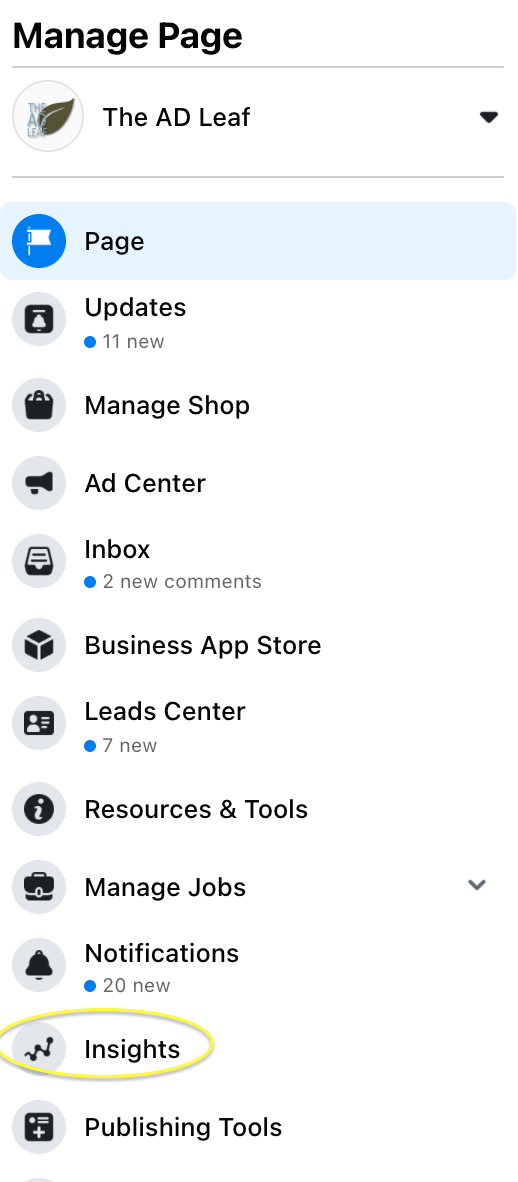
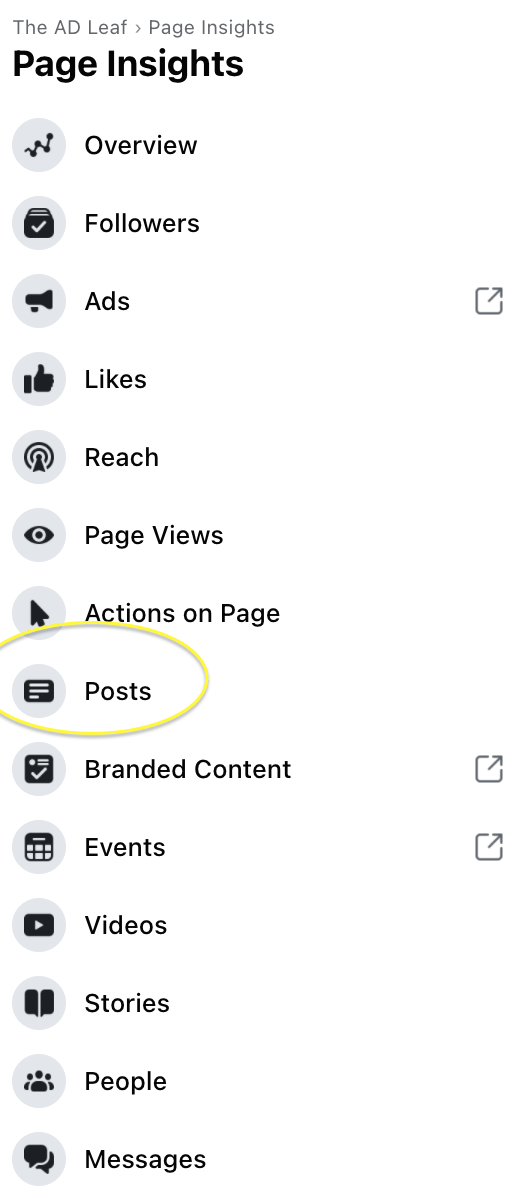
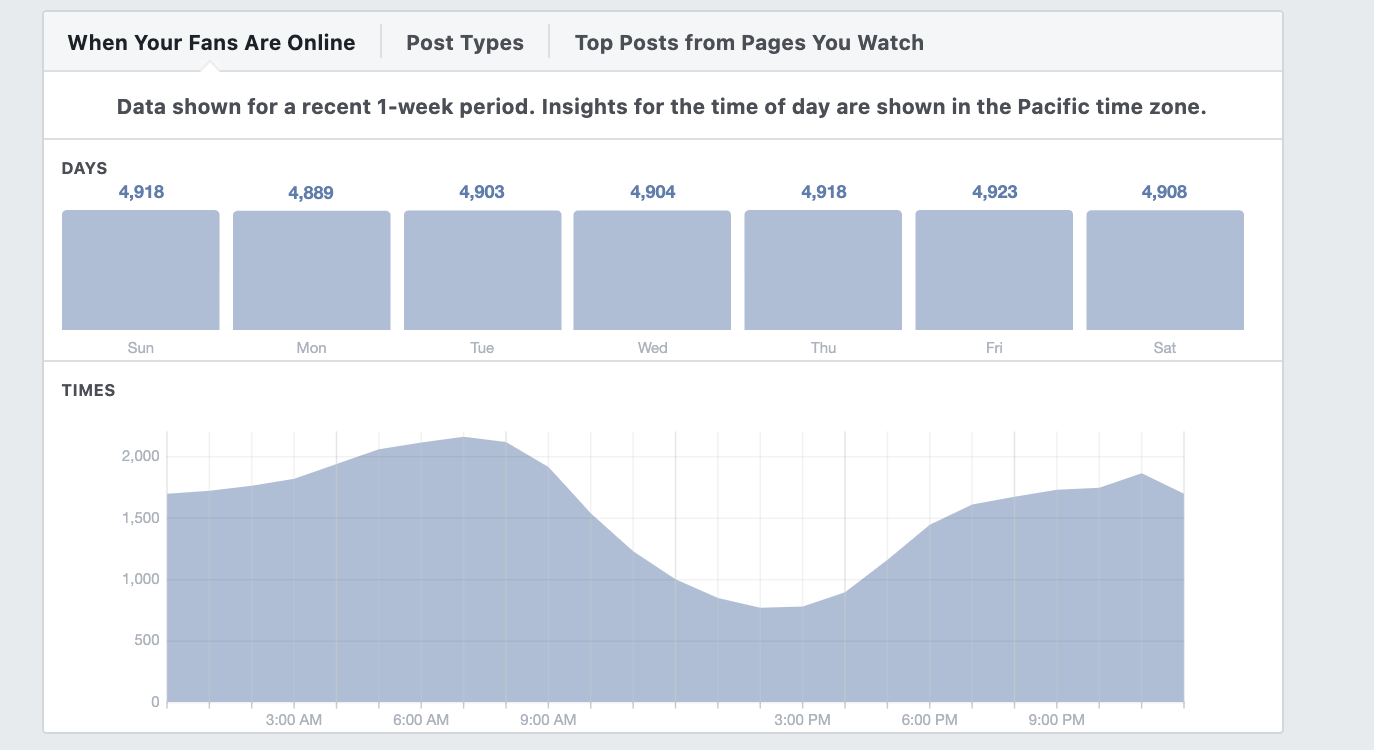
Facebook makes it relatively easy to figure this out. When looking at your Facebook Page, you’ll see a list of options on the left-hand side. First, you’ll select the option titled “Insights.” From there, you’ll select “Posts.” Then, you’ll see a graph at the top of the page detailing when your audience is most active. For those that are visual learners, here’s a step-by-step:

Based on the data provided above, we can see a few key points:

  • Our audience is most active on Sundays, Thursdays, and Fridays.
  • Our audience is most active between the times of 5 a.m. and 8 a.m.
  • Our audience is also reasonably active between the times of 9 p.m. and 11 p.m. 

After looking at this data, we should optimize our content to launch between 5 a.m. and 8 a.m. throughout the week. If we wanted to switch things up, we could also launch our content between 9 p.m. and 11 p.m. This will help our campaign connect with most of our audience as it may be different target audiences who are active in the evening hours versus the engaged audience in the morning hours.

Instagram

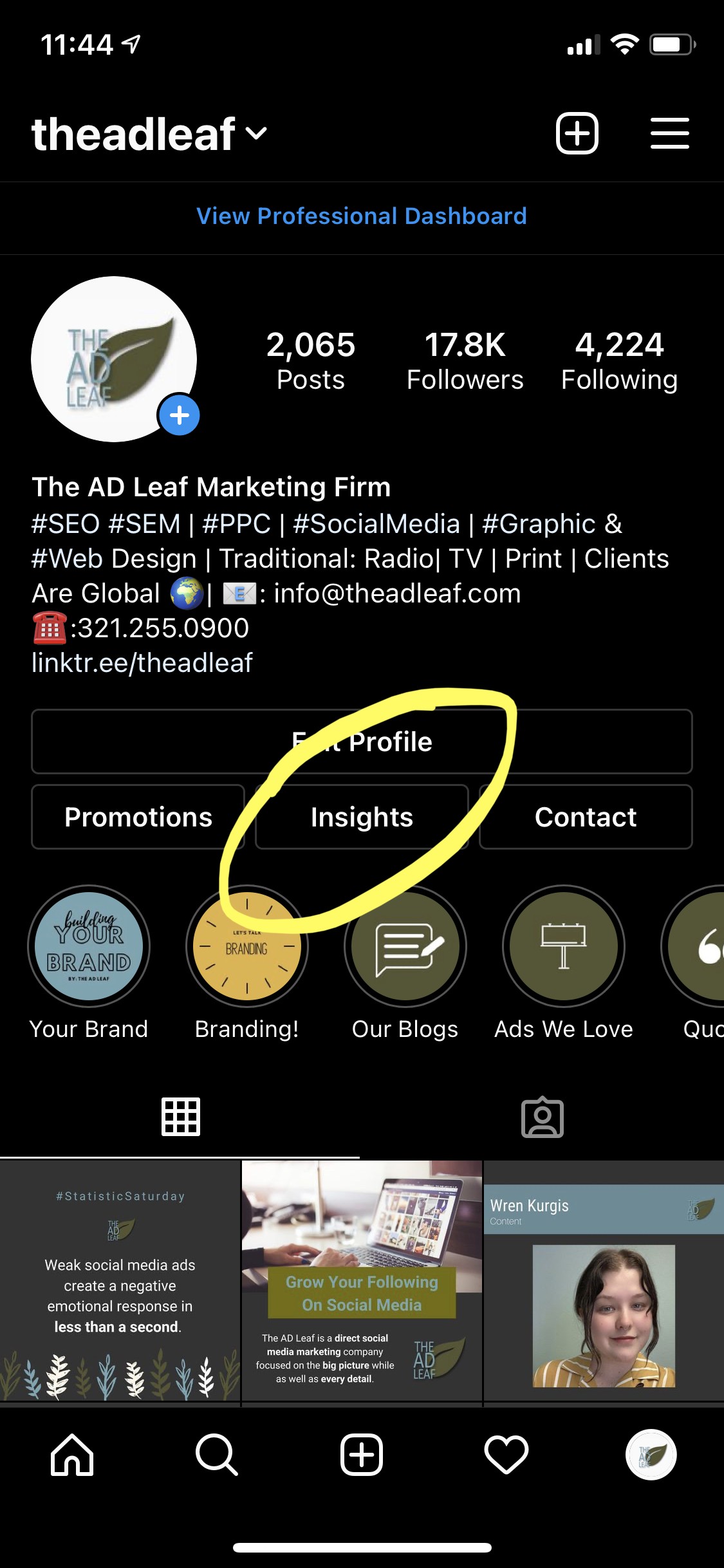
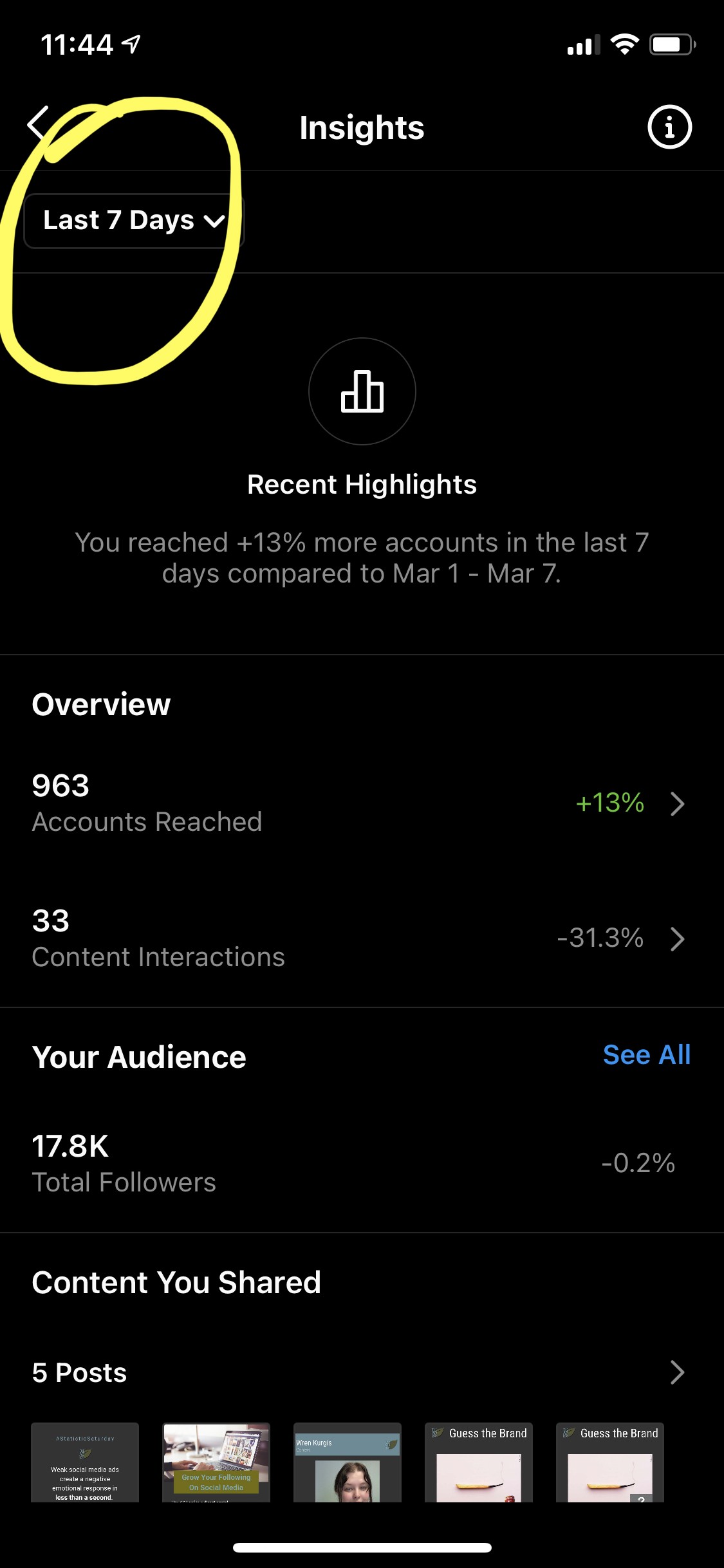
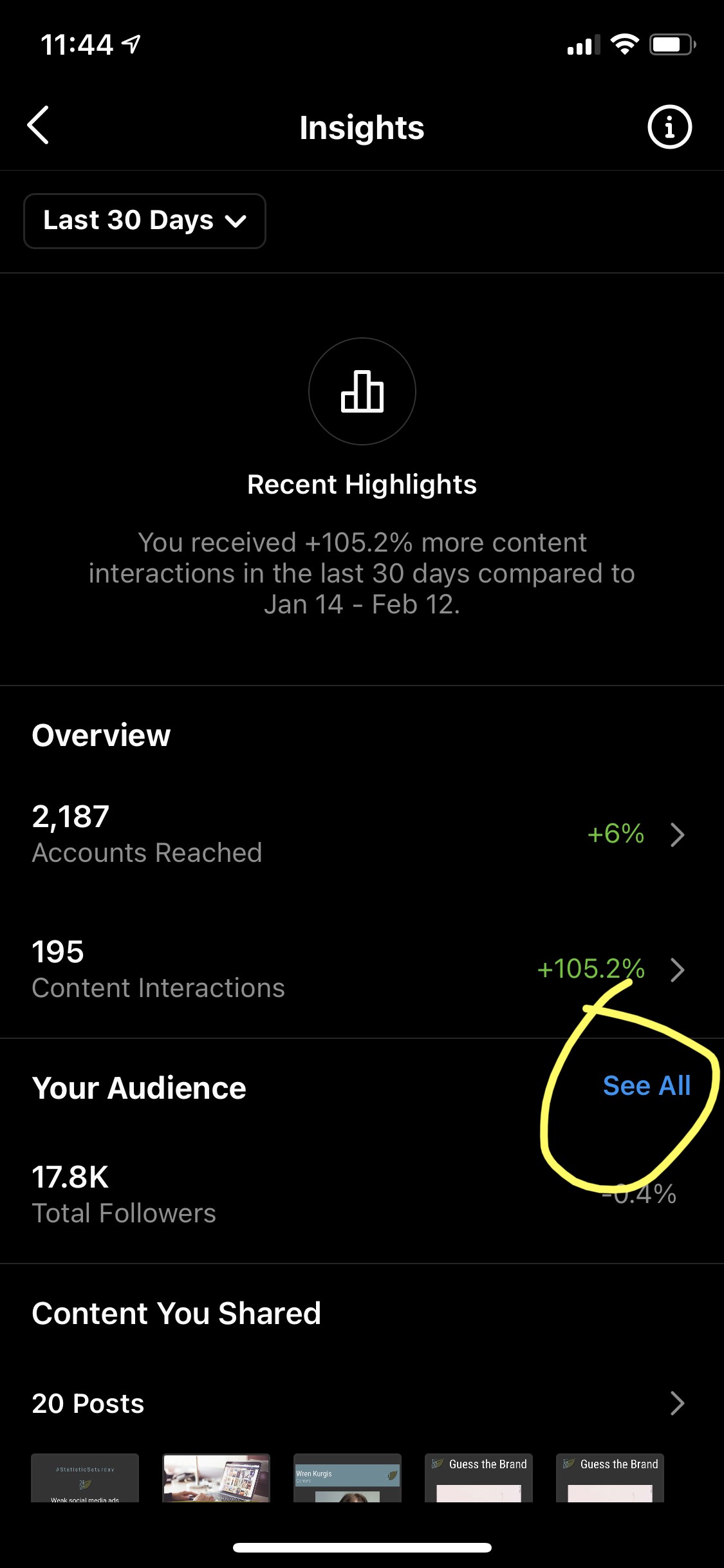
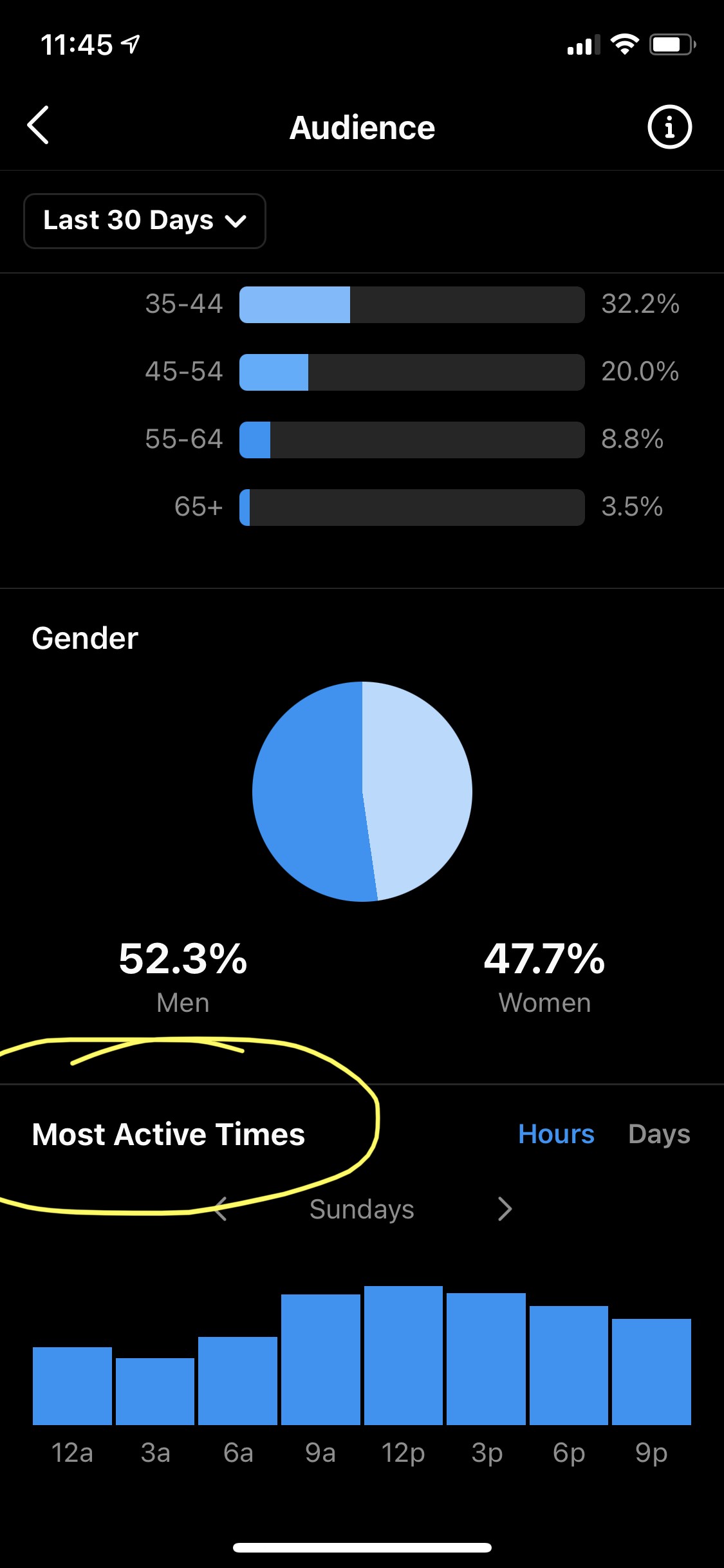
When looking at your Instagram profile’s main screen (hint: make sure your profile is converted to a Business Profile), click on the “Insights” button. From there, ensure you’re looking at a 30-day overview as 7-day analytics can provide a false positive or a false negative. The more data you’re taking into consideration, the better. Select “See All” next to the “Your Audience” section. Then, scroll down to the bottom, and you’ll be able to see the Hours or Days your audience is most active. Here’s a step-by-step breakdown for my visual learners:

In reviewing the analytics from our Instagram profile, here are a few key takeaways:

  • In terms of daily activity, our audience is pretty even across the board. There isn’t a specific day that stands out significantly. 
  • Our audience is most active between the hours of 12 p.m. – 3 p.m. across the board. 

When optimizing our Instagram content, it would serve us well to launch our content within that time frame each day. This will capture the bulk of our audience. In looking at the last graphic, it appears our audience is equally as active around 9 a.m. and 6 p.m. as well, so if we wanted to test our strategy against itself, we could choose one of those times to post as well. Like our Facebook strategy, it’s essential to consider multiple audience groups and determine which posting strategy captures your most active audience. 

This is just two out of the many social media platforms that exist now, so you can imagine it takes a significant amount of time and effort to track peak activity times across multiple platforms. As an agency, we have access to various tools that allow us to compile, track, and present this data to you, along with a comprehensive social media marketing strategy that takes all of this (and more) into consideration. If you’re looking to streamline your social media strategy, email us at info@theadleaf.com or call us at 321-255-0900 to get started with your unique social media strategy today. 

How Much Should Businesses Spend on Marketing in 2025?

How Much Should Businesses Spend on Marketing in 2025

One of the most common questions business owners ask is: “How much should I spend on marketing?” While there isn’t a one-size-fits-all answer, the truth is that a well-planned marketing budget is one of the most important investments your business can make. The right allocation ensures that your brand remains competitive, visible, and connected to customers in today’s fast-paced digital world.

In 2025, with increased competition, evolving consumer behavior, and the emergence of new digital platforms, determining how much to invest in marketing requires more strategic planning than ever before. This blog will explore how businesses should approach their marketing budgets, key factors to consider, and why an intentional strategy is the key to long-term growth.

Why Marketing Budgets Matter

Marketing is not just an expense; it’s an investment. Companies that fail to dedicate enough resources to marketing often find themselves invisible in a crowded marketplace. Whether you’re a startup or an established corporation, your ability to attract and retain customers depends heavily on your marketing efforts.

A study from the U.S. Small Business Administration suggests that businesses typically allocate 7% to 8% of their revenue to marketing, depending on their size and industry. Without this investment, it becomes nearly impossible to reach new audiences, communicate your value, and build a loyal customer base.

Click here and discover how our Marketing Services can help you make the most of your investment.

Factors That Influence Your Marketing Spend

Every business is unique, which means your marketing budget should reflect your specific goals and circumstances. Some of the most important factors include:

  1. Industry and Competition

    • Highly competitive industries such as retail, e-commerce, or healthcare often require higher investments to stand out.

    • Niche industries may spend less but focus more on specialized channels.

  2. Business Size and Revenue

    • Larger companies with higher revenue can allocate larger budgets.

    • Small and medium-sized businesses may start smaller, but should still maintain consistency.

  3. Business Goals

    • Are you looking to increase brand awareness, generate leads, or expand into new markets? Your objectives will directly impact your spending.

  4. Target Audience

    • Understanding where your customers spend their time—social media, search engines, local directories- will help you allocate money effectively.

  5. Type of Marketing

    • Traditional methods (TV, radio, print) can be expensive but have a broad reach.

    • Digital methods (social media, PPC, SEO, and content marketing) are more cost-efficient and measurable.

Balancing Digital and Traditional Marketing

In 2025, digital marketing remains dominant, but traditional advertising still has its place. For most businesses, the key is finding the right balance.

  • Digital Marketing: Offers measurable ROI, lower costs, and precise targeting. Strategies such as social media advertising, email marketing, and SEO enable businesses to reach their target audiences directly and track performance in real-time.

  • Traditional Marketing: Effective for establishing brand credibility and achieving mass reach (for example, billboard ads or local radio for community-based businesses).

The smartest approach is to prioritize digital while integrating select traditional methods when they make sense for your audience.

How Much to Spend: General Guidelines

While budgets vary, here are some benchmarks businesses often follow:

  • New Businesses: Should allocate 12%–20% of revenue to marketing to build brand recognition quickly.

  • Established Businesses: Typically spend 6%–12% of revenue to maintain and grow their customer base.

  • Aggressive Growth Goals: If you’re trying to expand into new markets or launch a new product, expect to increase your budget beyond the averages.

According to Gartner’s Annual CMO Spend Survey, marketing budgets represented an average of 9.1% of company revenue in 2024, indicating that businesses are prioritizing growth despite economic shifts.

Gartner CMO Spend Survey.

The Importance of ROI and Flexibility

It’s not enough to simply set aside money for marketing; you also need to track the return on investment (ROI). With tools like Google Analytics, Meta Ads Manager, and CRM software, businesses can track the performance of every dollar.

Flexibility is also essential. Marketing is not static, and trends change quickly. A campaign that worked last year may not be effective today. Businesses should continuously review performance and reallocate budgets to the channels delivering the best results.

Avoiding Common Mistakes in Marketing Budgets

Many businesses struggle with their marketing investments because they fall into these traps:

  • Spending too little: Hoping to save money by underinvesting often results in wasted time and minimal impact.

  • Spreading too thin: Trying to be on every platform without a strategy can dilute your message.

  • Focusing only on short-term results: While immediate sales are important, marketing also builds long-term brand equity.

By avoiding these mistakes, you ensure that your budget supports both present goals and future growth.

Why The AD Leaf

Determining how much to spend on marketing can feel overwhelming—but you don’t have to figure it out alone. At The AD Leaf, we work with businesses of all sizes to create customized strategies that align with your budget, industry, and goals.

Our team specializes in maximizing ROI by focusing on the channels that matter most for your business, whether that’s digital advertising, content marketing, SEO, or traditional outreach. With our expertise, you can feel confident that every dollar is working toward building awareness, attracting customers, and driving measurable results.

If you’re ready to take control of your marketing budget and invest in growth, contact The AD Leaf today and let’s design a strategy that works for you.

Algorithm Mania

Marketing and the Facebook Algorithm

It’s pretty common knowledge that trends in social media are constantly changing, but how much do you know about the algorithms that determine what’s seen and who sees it? Let’s use Facebook as an example. While it would certainly make the lives of social media coordinators much easier, there’s no one set algorithm that Facebook uses. There are common denominators and things that affect algorithms as a whole– like elections–, but every single user has their own unique algorithm that’s generated by what they commonly interact with and who is paying to put their content in front of them. The average reach for an organic post hovers around 5% and drops more with each passing month. As with most things in business and marketing, paid ads are king.

How Algorithms Affect Marketing

Every time you log in to Facebook and check out your feed, your algorithm is updated based on what posts you’re interacting with, who you’ve chosen to “see first” on your feed, your settings, and several other factors. Up until recently, there was also a lot of information being taken from Facebook partners that helped both ad and organic algorithms hone in on their audience on a very granular level. On top of keeping up to date with normal algorithm changes, Facebook users and managers are now coming face-to-face with Apple’s new security policy, allowing users to opt-out of data sharing that companies use to target their ads. facebook algorithm

Facebook Algorithm Tracking

If you’re an iPhone owner, you’ve likely already seen the popup message on many of your apps that allows you to opt-out of a lot of the information sharing that had been occurring. While this limits ad targeting in some industries, it’s not completely stripping away the carefully crafted audiences many rely on to bring in leads. However, without the behind-the-scenes know-how of targeting and how to adjust to similar targets that are still available, you’re likely to see a large decrease in leads. This skillset is just one of the many reasons it’s so important to have a trained social media specialist on your team.

Defeating the Facebook Algorithm

For a novice, mastering algorithms is an overwhelming task, and without the proper training and know-how, it’s a real guessing game. It’s also time-consuming to monitor the latest news and updates and tweak your posting schedule and ads accordingly. That’s where we step in! The AD Leaf has a full team of highly trained and skilled social media coordinators that are always up to date on all things social media. Put your time and energy toward your business and let us handle the rest!


social media content

Social Media: What Should Businesses Post?

Why You Need Great Social Media Content

So, you’ve committed to creating social media content. You’re ready to kick off your social media marketing strategy, and you’re going to kill it!

There’s only one problem. What are you going to post?

Social media is all about engagement. If your social media content is stale and lifeless, people won’t interact. We all know sharing is caring! If your audience doesn’t care about what you’re posting, they won’t share it. They won’t repost, retweet, like, comment, or follow either!

So how can you get that engagement? With valuable content, of course!

Social Media Science

There’s a science behind what people will or won’t share on social media. Studies have shown that a majority of people sharing content do so because they are entertained, and want to entertain their friends. Another motivation? Information. People like to educate themselves, and will share content that will be useful to their friends and followers. From a psychological standpoint, it’s simple: people want to look good. People are more inclined to share interesting and engaging content because it makes THEM look interesting and engaging. What’s more, great content helps people to connect with and even help their friends, family and followers.

So, now that we know what people share, what kind of content is best?

Great Social Media Content Makes You Feel Something

Feelings are a part of daily life for everyone, so it makes sense that content that invokes an emotional response will get a good reaction. But which emotions are the best ones to target? Studies have shown that positive content tends to get more shares than negative content. Furthermore, laughter and amusement are at the top of the list. So, give people something to laugh about!

Don’t Forget the Visuals

We all know the saying “a picture is worth a thousand words.” Images tell stories, and people love storytelling! Content that includes visuals gets 94% more views than content without. That’s because the brain processes things visually. If you want to draw your audience’s eye, images are the way to do it.

When it comes to your images, size matters. Make sure you’re posting images of a high enough resolution that they’ll show up clear and sharp. Nobody likes blurry, stretched out images. Not sure where to get images to post? The best ones are the ones you take yourself! If that’s not an option, stock images can work well, too.

Attention is Everything

We live in an age of pocket-sized information. If your content isn’t immediate eye-catching, people will scroll on by. It’s easier and faster to absorb information in bite-sized pieces. Lists and infographics are the way to go! When you put things in list format, people know exactly what they’re getting when they click the link. Lists and infographics get shared more than other types of content, so they’re a great tool for engagement! Infographics are also easy to make with tools like Canva, Vizualize, and more. If you don’t want to make one, find one to share.

Who hasn’t clicked through to find out what kind of pizza matches their personality? Interactive content like quizzes are great for interaction and engagement! The benefit of interactive content is that it encourages users to engage instead of just scrolling past. Luckily, creating quizzes, polls, and other interactive content is a breeze. There are many tools made just for that.

Hashtags Get You Found

There’s a hashtag for every day. #MotivationMonday. #ThrowbackThursday. #FlashbackFriday. Daily themes are a great way to engage! This trend doesn’t seem to be going anywhere, so get on board. Similarly, there’s a wacky holiday for almost every day, week and month as well. Did you know there are national food holidays almost every day? With a little pre-planning, you can have some great content prepared to celebrate these observances.

Want to know the best way to engage with your audience? Post THEIR content. Your best salespeople are the people who are using your products and services and talking about the experience. Take GoPro for example. What better way to sell their product than show you ALL the ways in which it can be used, and ALL the videos it can take? Every GoPro user can be a content creator. That gives GoPro unlimited resources to showcase exactly what their product is capable of.

Great Social Media Content Builds Connections

Did you notice something similar about all of these pieces? That’s right, none of them are links to your business website!

That doesn’t mean you can’t ever post about your business! In fact, there are times when that’s beneficial.

If you’ve got information that is relevant, educational, engaging and everything we’ve talked about, post it! Just don’t drown your audience in it, because nobody likes when people talk about themselves all the time.

It’s called social media for a reason. People want to connect! They want to engage with causes they care about, they want to support and help their friends and families, and they want to feel and share those feelings. Make your page a place where they can do just that!

Social Media in 2021

Social Media: What’s New this New Year

What to Expect from Social Media in 2021

Social media is an everchanging industry brimming with innovation and opportunities. Social Media in 2021 is no different. If you are looking to grow your business or social prowess it is important to stay updated on recent trends and features on social media. Social media platforms have to constantly stay innovative or else their platforms could become obsolete. Take Myspace and Tumblr for example. These social platforms were not listening to users or innovating the way their platforms operate. On the other hand, Instagram and Facebook continuously make changes to their strategies and design to keep users actively participating on their platforms.

Farewell, Facebook Like Button
On January 6th, 2021 Facebook announced that they will be removing the Facebook like button from Facebook pages. This comes as no surprise considering Facebook has been making noticeable changes to its various platforms in recent years. Facebook is attempting to more accurately gage popularity by using the follow button rather than the like button. The follow button is believed to be a far better indicator of a page’s popularity than the like button. This is because people would like a page and decline to receive updates on the page indicating that the page had a higher reach than it actually possessed. Besides the like button, Facebook is altering the overall appearance and design of pages. Pages will now have a more simplified user interface. These changes will help all users to easily navigate Facebook pages. Followers will be able to navigate pages better, and page owners will be able to operate the page easier from behind the scenes.

Hello News Feed
Another new feature Facebook is implementing is the News Feed for Facebook pages. The News Feed can be used by pages to engage with groups, other pages, and fans. This change will likely lead to more genuine discussions and interactions between users. Pages will also be able to host Q&A’s with followers, which is another great way for pages to increase their interactions on the platform.

Looking Back on Instagram Likes
Last year, Instagram sent shock waves around the world when they announced they were testing out the removal of viewable likes on users’ accounts. This of course received a lot of negative feedback. Instagram believed that by removing the like feature, users would feel less pressure to get a certain amount of likes on their photos. This is a valid point when considering the amount of pressure young people feel regarding their relevance across social media platforms. This change appears too just be temporary. Instagram has not given any updates or indications that they are moving forward with this initiative.

Suggested Posts
Instagram is an ever-evolving social platform. They roll back certain features, to make way for new ones. One of the most recent changes is their new suggested posts feature. This feature is designed to keep users engaged on the platform when they have run out of new posts to scroll through. Suggested posts uses algorithms that gage what users are interested in. This feature cannot be turned off to the disdain of more skeptical Instagram users.

Suggested Unfollow
Another interesting new feature on Instagram is the suggested unfollow section. This section can be found in your following tab. This feature showcases which users you interact with the most and the least. If you notice you are following too many users, you can use the feature to remove people that you do not interact with regularly.

IGTV Accessibility
Most social media changes have to be implemented slowly before they are accepted by social media users. People use social media everyday so when platforms are altered it’s strikingly obvious to people engaging on these platforms. IGTV is a great example of how to slowly warm users up to a new feature. IGTV slowly gained traction, and Instagram wanted to capitalize on its recent success. IGTV posts are now as accessible as regular Instagram posts. IGTV posts can be viewed on users’ profile feed and news feed rather than in a separate section.

That’s a Wrap
Innovation and modification are important factors to the success of a social media platform. Social media platforms are ever-changing, so it is vital to stay updated and use new features to your advantage. Having an active and strategic social media presence can give your brand a competitive advantage. Many companies are on social media in 2021, but they are not using it as a tool to benefit their growth strategies. Don’t fall behind, instead use social media as a tool to increase brand awareness, start conversations, and gain fans.

what are Pinterest Story Pins?

What are Pinterest Story Pins?

Wondering what Pinterest Story pins are? Stories seem to be an essential feature for social media platforms today. But did you know that only eight years ago they never existed? In 2013, Snapchat made a significant update to its platform and created stories. With this new update, Snapchat began to gain mass popularity, and it wasn’t long before other social media platforms integrated this story feature into their software. In 2016, Instagram added stories with Facebook and YouTube following in 2017.  Pinterest creators developed a version of their own, and it’s a significant update!

Though Pinterest Story Pins were first introduced in late 2019 overseas, it wasn’t until September 2020, when this beta feature became available to some business accounts. Pinterest surprised many users with early access to this new feature. But don’t worry. If you don’t have access now, you can request access with merely a click of a button. It should be about 5-7 business days for granted access if your request is approved. 

Request access here: https://www.pinterest.com/story-pin-invite/

What are Pinterest Story Pins?

Think of Story Pins like a slideshow. These Story Pins can incorporate more ideas and inspiration than a standard pin, with up to 20 different content pages, including a mix of pictures and videos. Like regular pins, a user can add to an existing, new, or even a shared board.  

For most Pinners on Pinterest searching for inspiration, DIYs, how-to guides, and tutorials, the new Story Pins will be an effective tool. Tag up to 10 relevant topics related to searched content with these Story Pins. Tagging is essential and makes it even easier to get the right content in front of the right audience who care the most. Story Pins unlock the door to creativity for creators to generate even more detailed and engaging content. The limitation of a single page of text is eliminated with the option to now go more in-depth and explain a concept. Some ideas of the best types of pins to maximize this feature would be how-to guides, list posts, detailed recipes with step-by-step photos, DIY guides, tutorials, and travel tips. 

They Never Expire

Don’t let the word “Story” fool you. Unlike most stories you see on major platforms, Pinterest Story Pins ever expire! Say goodbye to the 24-hour expiration date because these Story Pins will stay on your boards forever (unless, of course, you make them disappear).

You Will be Rewarded 

That’s right! Pinterest will favor Story Pins over regular pins. With their new algorithm, Pinterest is experimenting and providing more exposure than they typically would with standard pins. To have the algorithm work in your favor, you must take full advantage of the features Pinterest provides. Users that have utilized this feature have seen an increased reach of their pins within 24 hours with inflated numbers. Pinterest is rewarding content creators for using their features with a higher chance of generating more impressions, clicks, and traffic to their website. It’s the gift that keeps on giving!

Creating Story Pins in 4 Simple Steps

You will find that creating Story Pins is a very straightforward process with a super user-friendly interface, whether you’re on a desktop or mobile device. Below are the four areas you will be prompted with when creating a Story Pin:

  • Upload: You can upload up to 20 images or videos.
  • Design: This is where you can adjust the layout of your images, focal point and add text. 
  • Details: Add a theme with corresponding prompts. For example, if your theme is Crafts + DIY, you will have the drop-down to choose the difficulty level and a box to fill in the supplies needed. 
  • Audience: This is where you will create your Story Pin title, choose the board it will be uploaded to, and add up to 10 tagged topics.

So What’s the Catch?

With this fantastic new feature, you may be wondering, “Okay, what’s the catch? There has to be something”. Well, this is true. The biggest controversy is that the links you provide in Story Pins are not direct links. Go figure! Pinterest’s goal is to keep pinners on their platform as long as possible. Previously pinners would search through content, and then it was easy to visit the creator’s website from a pin. With Story Pins, this discourages Pinners from leaving Pinterest by eliminating direct links, making it a little more complicated. Sneaky right? But there is a bright side. There may not be direct links, but there will now be a follow button at the end of your Story Pins, which will link back to your Pinterest business page. This prompt is an excellent reminder for Pinners to follow you, especially if they enjoyed your content enough to read until the end. 

Where Do I Go From Here?

I’ll leave you with these few key points:

  1. Pinterest will favor Story Pins in their new algorithm. 
  2. Story pins are super easy to make.
  3. Story Pins never expire.

Even though you may not have access to this exciting new feature yet, you can either attempt to request early access or sit tight and wait patiently. If you decide to wait, this is still a great time to get familiar with Story Pins until it is available for everyone. In the meantime, it never hurts to educate yourself and be prepared to elevate your business’s presence on Pinterest. Get ready for the biggest update yet! 

Ps. Remember to have fun and get creative!

Interested in Pinterest’s official release video? Check it out here: https://youtu.be/j3xzahNK27Y


relevance on social media

Business Owners and Social Media: The Struggle for Relevance

Since the beginning, social media has been a phenomenon that has taken the world by storm. Having relevance on social media is the key to attracting and maintaining an audience. The world of AIM and Myspace seems like one we lived in so long ago. These platforms have procured a more powerful influence than many of us could have ever imagined. 

Trends are made and then declared “untrendy” seemingly as soon as they begin on social media apps. If caught outside the facet of what’s popular, you can easily be seen as “irrelevant”. This may seem brutal, yet it shows us that our modern society is constantly changing, especially online. The positive of this is the ability to message a company without ever having to speak to them on the phone. This is heaven for many anxious young people, yet foreign to many of those who once relied on phone calls for so many interactions.


Maintaining Relevance on Social Media


How do businesses maintain successful social media accounts, grow, and yet still stay relevant? Of course, a successful business always takes priority, but these two concepts are intertwined. 

As a business owner, social media needs to become an instrumental part of your success. An outdated social profile could cause people to think your business is closed. Plus, those who do not feel comfortable calling your business, will not be able to message or email you.

The struggle for relevance on social media seems like an uphill battle when it comes to committing large amounts of time to the research needed to maintain a successful social media campaign. A large problem with this commitment is that there isn’t enough time to monitor and research trends and consistently post on social media while running a productive business. 


The Necessary Trend Research

Is trend research necessary? Why can’t I simply post business updates on my existing social media when needed? The short answer to both of these questions is yes. The long answer is more involved. Posting on social media is simple, but making it an effective use of a business owner’s time is another issue altogether. This is where research and forethought become essential.


Social media trends are a large part of relevancy. The average person spends 144 minutes on social media per day, and they’re looking for what’s trending. The struggle is to become involved in a trend while it’s still relevant. If the news is reporting on a trend, then it is likely it is already dying out. By the time a news company commits to verifying the information within the trend, the social media app as a whole may have already moved on. One example of this is the ALS ice bucket challenge. While obviously one of the most important and beneficial trends to come from social media, if you participated in it today, you wouldn’t be participating in something that is actively trending, and people likely wouldn’t find your post.


Social media, for better or for worse, has seemingly lessened the attention span of millions. From 2000 to 2015, the average person’s attention span has decreased from 15 seconds to eight seconds. Among multiple devices and millions of sources for consumption, you must first attract a user, and then manage to grab their eight seconds of attention. If you come into a trend late, the attention held for it will already be exhausted. This is why research has become monumental within the social media space. 


The Agency Approach

The job of a social media department in an agency partially rides on the concept of ensuring their clients stay relevant. Constantly monitoring trends and staying up-to-date on industry news are the catalyst for this. Often, this is achieved within a much more affordable price point than developing an internal social media team in your company.

Technology is frequently changing, and for many, once they’re finally comfortable with an app or feature, it is already becoming out-of-date. How do you as a business owner conquer this?

  • Use and understand multiple social medias 
  • Monitor publicly reported changes 
  • Interact daily with your followers and post multiple types of content
  • Create graphics and posts that will engage people from multiple perspectives
  • Analyze your results over time and make changes to your actions based on results
  • Create and monitor advertisements
  • Repeat

Unfortunately, many business owners simply do not have the time for this.

How an Agency Can Keep You Relevant on Social Media

How do ad agencies conquer this effectively? All of these steps are part of their daily routine. Social media is constantly consumed in both a professional and personal aspect by most specialists. Consider an agency as simply hiring an expert. Just as you may hire a professional to paint your house versus buying all of the supplies and learning through trial and error.

Hiring an agency is almost a no-brainer when considering if you should sacrifice the time to dedicate yourself to continuous research into the social media world while simultaneously running and innovating your business. Agencies are an effective use of your money and your tremendously important time. The battle of staying relevant in the essential world of social media is best won by someone constantly engulfed by the ongoing research, leaving business owners to continue to do what they do best be successful.

The AD Leaf Marketing Firm is made of experts well-versed in social media research and content creation. We would love to conquer the world of ever-changing social media and research for your company, and help sky-rocket your business’s online presence and social engagement. Contact us for more information.